20 years focus on Filter Press!
Excellent quality & 7x24 hours After-sales Service
Tel & WhatsApp+8613932818978
20 years focus on Filter Press!
Excellent quality & 7x24 hours After-sales Service

Technology

Regular filter press maintenance improves filtration efficiency, reduces downtime and extends equipment life. Routine inspections of filter cloths, plates, hydraulic systems, seals and structural comp...
Tel & WhatsApp+8613932818978
Product Details
A filter press is widely used for mining tailings dewatering, mineral concentrates, sludge treatment and other solid-liquid separation processes. In demanding mining environments, regular filter press maintenance for mining applications is essential to maintain stable filtration performance, reduce downtime and extend equipment service life.
A proper maintenance program should cover filter cloths, filter plates, hydraulic systems, seals and mechanical components.
Signs Your Mining Filter Press Needs Maintenance
Operators should monitor the equipment for the following warning signs:
Reduced filtration efficiency: Longer filtration cycles, lower throughput or cloudy filtrate may indicate clogged filter cloths or worn components.
Higher filtration pressure: Increasing pressure with reduced performance can indicate blocked cloths, changes in slurry characteristics or equipment problems.
Slurry leakage: Leakage between filter plates may result from damaged filter cloths, worn seals or improper plate alignment.
Abnormal noise or vibration: These may indicate mechanical wear, misalignment or hydraulic system problems.
Frequent shutdowns: Repeated failures are a clear indication that preventive maintenance is required.
Key Mining Filter Press Maintenance Tasks
1. Inspect and Clean Filter Cloths
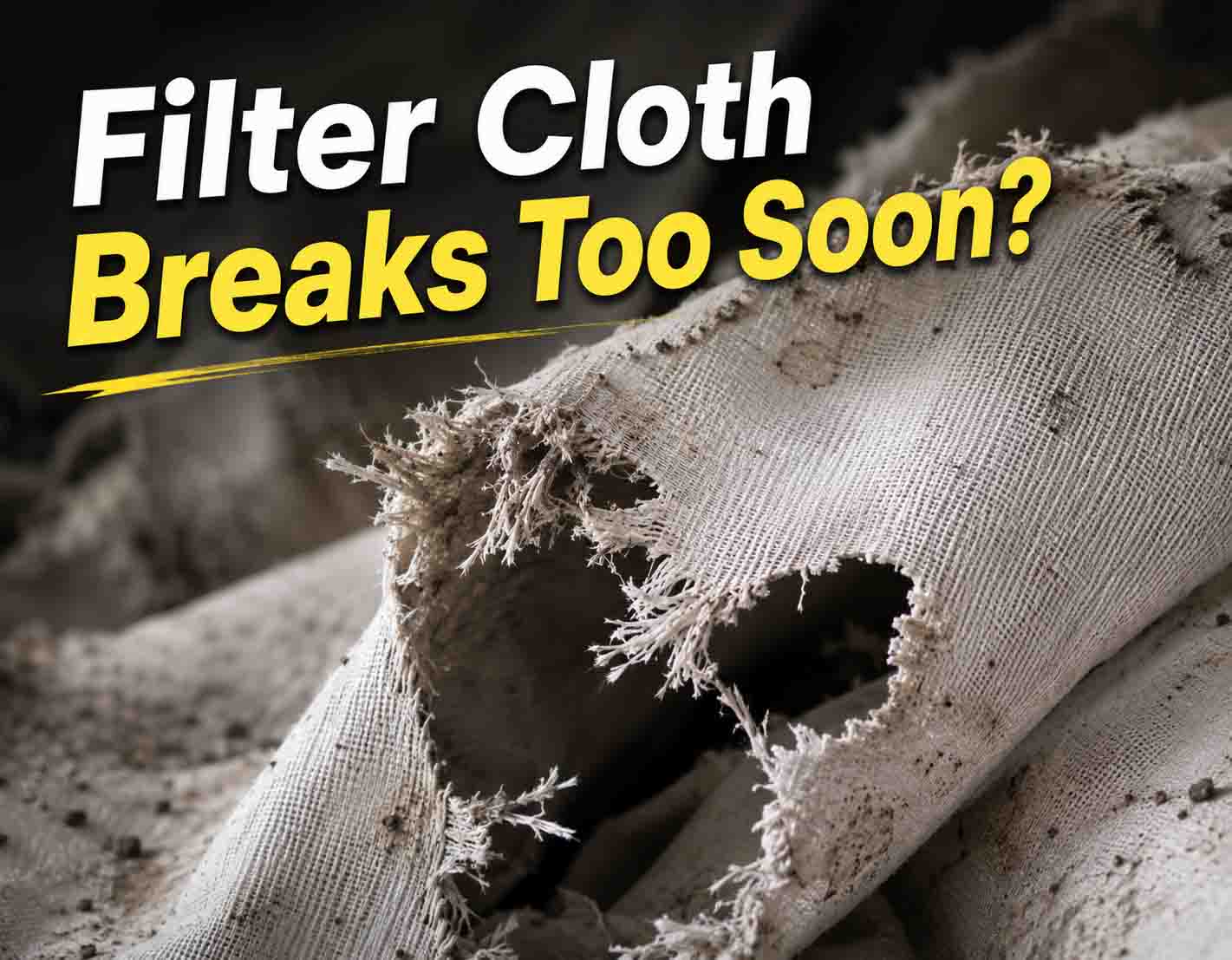
Filter cloths are essential for effective tailings filtration. Check regularly for tears, excessive wear and mineral deposits. In applications involving abrasive ores or tailings, timely filter cloth replacement can help maintain filtration efficiency and prevent filtrate contamination.
2. Clean Filter Plates
Residual tailings and filter cake can accumulate on filter plates and sealing surfaces. Regular cleaning helps maintain proper plate sealing and stable mining dewatering performance.
3. Check the Hydraulic System
Inspect hydraulic cylinders, hoses, valves and connections for leaks. Make sure the plate-closing pressure remains within the recommended operating range. Stable hydraulic pressure is particularly important for high-pressure filter press applications in mining.
4. Check Plate Alignment and Seals
Correct plate alignment ensures uniform pressure across the filter pack. Inspect sealing surfaces and replace damaged seals promptly to prevent slurry leakage during the filtration cycle.
5. Inspect Structural and Wear Components
Mining slurries can contain highly abrasive particles. Regularly inspect the filter press frame, guide rails, bearings, plate handles and other components for corrosion, deformation and wear.
How Often Should a Mining Filter Press Be Maintained?
A practical maintenance schedule includes daily visual inspections, weekly cleaning and functional checks, and monthly inspections of plates, cloths, seals and hydraulic components. A comprehensive inspection is generally recommended every 3–6 months.
For mining tailings dewatering, copper concentrate filtration, iron ore processing and other abrasive applications, maintenance intervals may need to be shortened according to slurry characteristics and operating conditions.
Following the manufacturer's recommendations and keeping accurate maintenance records can help identify potential problems before they cause costly downtime.
Proper maintenance is the foundation of reliable mining filtration. With regular inspections and timely replacement of wear parts, KERTE filter press systems can deliver stable solid-liquid separation, tailings dewatering and mineral processing filtration performance in demanding mining environments.
Previous post: Vale Targets Gold & Rare Earths Hidden in Mining Waste
Next post: Turkish Customer Visits KERTE Factory, Strengthening Confidence in Our Filter Press Solutions
Related content